Reparations, a form of redress for historical injustices, have been granted to various groups across the globe. These initiatives aim to acknowledge and address the enduring impact of systemic discrimination, exploitation, and violence experienced by marginalized communities. In this blog post, we will explore some notable examples of groups that have received reparations, examining the significance of these efforts in fostering healing, reconciliation, and social justice.

- Japanese Americans:
Following the attack on Pearl Harbor during World War II, the United States government implemented a policy of internment, forcibly relocating and incarcerating around 120,000 Japanese Americans in internment camps. In 1988, the U.S. Congress passed the Civil Liberties Act, which included an official apology and financial reparations to surviving Japanese Americans who were interned. Each individual received $20,000 as a symbolic acknowledgment of the unjust treatment they endured.
- Holocaust Survivors:
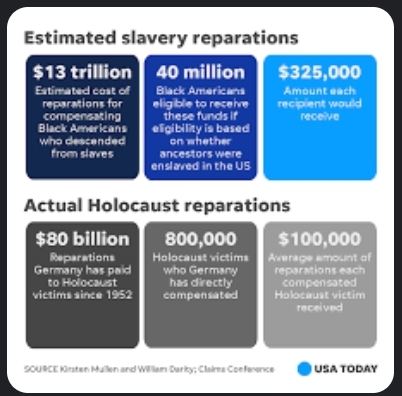
In the aftermath of the Holocaust, which saw the systematic genocide of six million Jews by the Nazis, reparations were provided to Holocaust survivors. The German government, along with several other countries, established compensation programs to acknowledge the immense suffering and loss experienced by survivors. These reparations included financial compensation, medical assistance, and other forms of support to help rebuild shattered lives and preserve the memory of the Holocaust. 1.4 Billion from the German government next year alone.
- Indigenous Peoples:
Many countries have initiated reparations programs for indigenous communities subjected to historical injustices such as land dispossession, forced assimilation, and cultural genocide. For instance, in Australia, the government established the Stolen Generations Compensation Fund to provide reparations to Aboriginal and Torres Strait Islander individuals who were forcibly removed from their families as children. Similarly, Canada’s Indian Residential Schools Settlement Agreement aimed to address the legacy of cultural assimilation through financial compensation and various support programs.
- African Americans:
The issue of reparations for African Americans, who endured centuries of slavery and systemic racism, remains an ongoing and debated topic. While no comprehensive national program has been implemented, several cities and institutions have taken steps towards reparative justice. For example, in 2020, Evanston, Illinois, established the nation’s first municipal reparations program, allocating funds for housing assistance to African American residents affected by historical housing discrimination.
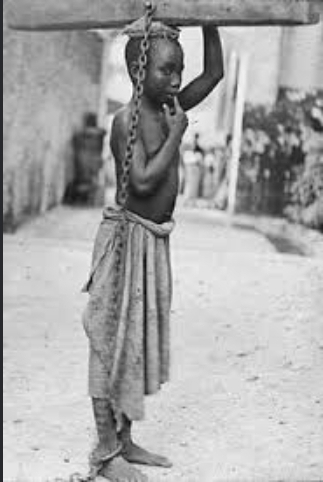
American slavery of Africans is a dark chapter in the history of the United States, characterized by extensive human suffering and exploitation. Slavery in the United States lasted for over two centuries, beginning in the early 17th century and officially ending with the ratification of the 13th Amendment to the Constitution in 1865. During this period, millions of Africans were forcibly taken from their homes, transported across the Atlantic Ocean, and sold into slavery in the Americas.
The transatlantic slave trade, also known as the Middle Passage, was a brutal and inhumane journey that resulted in the deaths of a significant number of enslaved Africans. It is estimated that approximately 10 to 12 million Africans were forcibly transported to the Americas, and it is believed that as many as 2 million of them died during the voyage due to disease, malnutrition, and harsh treatment.
Once in the Americas, enslaved Africans were subjected to unimaginable hardships, including forced labor, physical and sexual abuse, and the separation of families. The institution of slavery was deeply entrenched in the economic and social fabric of the southern United States, where enslaved individuals were considered property and denied basic human rights.
The abolition of slavery in the United States came as a result of the Civil War (1861-1865), which was fought in part over the issue of slavery. In 1863, President Abraham Lincoln issued the Emancipation Proclamation, declaring that all enslaved people in the Confederate states were to be set free. The 13th Amendment, ratified on December 6, 1865, formally abolished slavery throughout the United States.
Despite the formal abolition of slavery, the end of the Civil War did not immediately bring about equality for African Americans. The period following the Civil War, known as Reconstruction, was marked by significant social and political challenges for newly freed slaves. The Reconstruction era was followed by a long period of racial segregation and discrimination, perpetuated by laws and social norms that denied African Americans equal rights and opportunities.
The Civil Rights Movement of the 1950s and 1960s was a pivotal period in American history, marked by efforts to end racial segregation and secure equal rights for African Americans. Key events during this time included the Montgomery Bus Boycott, the March on Washington, and the passage of landmark legislation such as the Civil Rights Act of 1964 and the Voting Rights Act of 1965.
Despite the historical injustices suffered by African Americans as a result of slavery and systemic racism, the issue of reparations for the descendants of slaves remains unresolved. While there have been ongoing discussions and debates about reparations, no comprehensive reparations program has been implemented at the federal level. The lack of reparations for the descendants of enslaved Africans continues to be a topic of significant debate and contention in American society.
Conclusion:
Reparations represent a crucial step in acknowledging historical injustices and promoting healing and reconciliation. While various groups have received reparations, it is vital to recognize that these efforts are often limited in scope and magnitude compared to the scale of the injustices suffered. Implementing comprehensive and transformative reparative measures requires sustained commitment from governments, institutions, and society at large. By continuing to confront the past, engage in dialogue, and work towards addressing systemic inequities, we can strive for a more just and inclusive future, where reparations serve as a catalyst for healing, equality, and social justice.The history of American slavery of Africans is a deeply troubling and painful legacy that has had lasting impacts on the social, economic, and political landscape of the United States. The effects of slavery are still felt today, and the ongoing discussions about reparations serve as a reminder of the need to address the historical injustices that continue to shape the experiences of African Americans in the United States.
We will continue this on a part 2 until then….
– 41




 Lost Tribe
Leave a comment